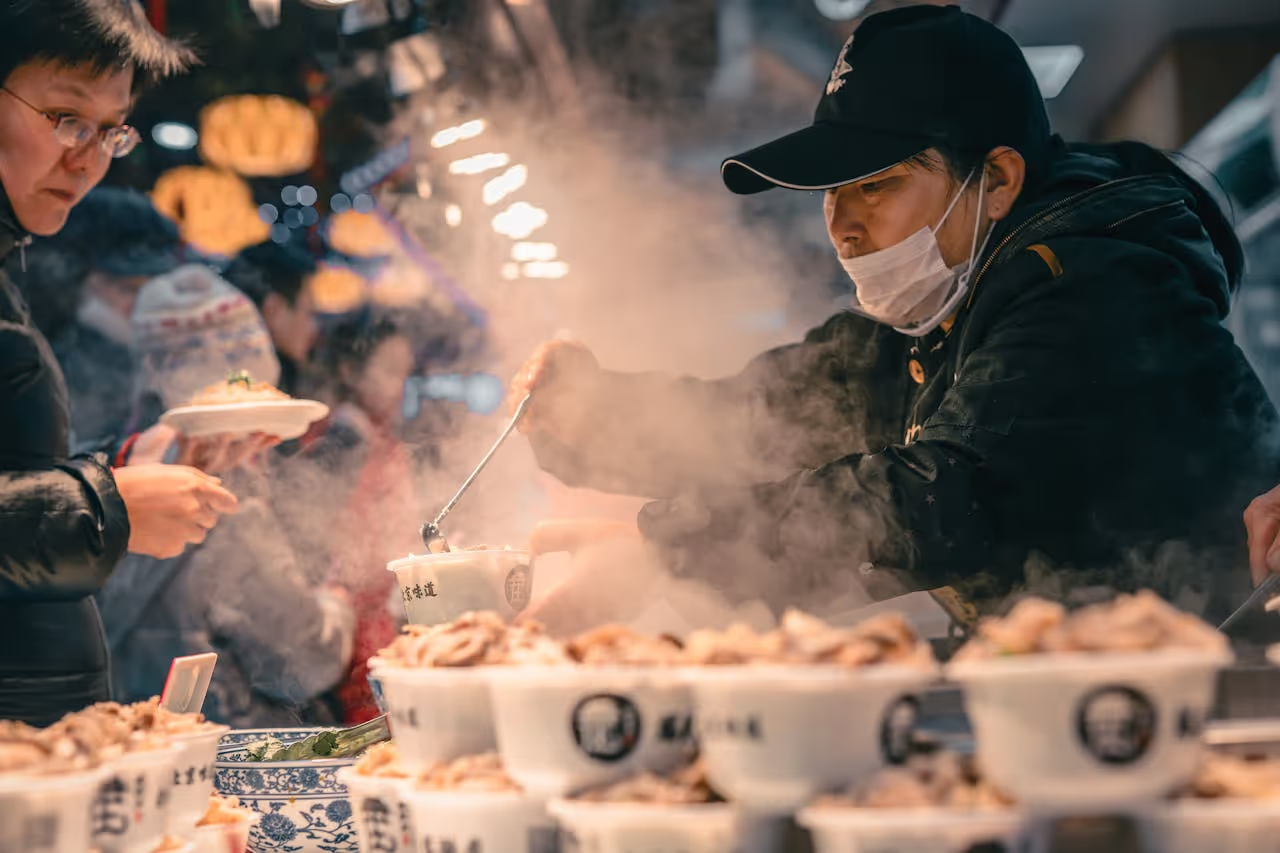
When you think of Chinese cuisine, what comes to mind? Perhaps a comforting bowl of fried rice, crispy spring rolls, or a succulent Peking duck. While these dishes are beloved globally, they represent just a tiny fraction of a vast and incredibly diverse culinary tradition. Chinese cuisine is a complex tapestry woven from centuries of history, regional variations, and profound cultural significance, offering an endless array of flavors, textures, and aromas.
It's a cuisine that has influenced palates worldwide, yet its true depth often remains unexplored by many. Far from being a monolithic entity, Chinese food is a vibrant mosaic of distinct regional cooking styles, each with its own unique ingredients, preparation methods, and philosophical underpinnings. Join us as we embark on a gastronomic adventure to uncover the fascinating world of Chinese cuisine.
A Culinary Map: The Diverse Regions of China
To truly appreciate Chinese cuisine, it's essential to understand its regional diversity. China is a massive country with varying climates, geographies, and local produce, all of which contribute to unique culinary traditions. While there are often said to be "Eight Great Cuisines," we can broadly categorize them by their general geographical influences:
Northern China: Often characterized by hearty, wheat-based dishes like noodles, dumplings, and steamed buns, with a focus on rich, sometimes salty, and savory flavors.
Southern China: Known for rice-based dishes, fresh seafood, and a preference for lighter, sweeter, or more intricate flavors, often involving steaming and stir-frying.
Western China: Features bolder, often spicier flavors, with liberal use of chili peppers, Sichuan peppercorns, and ingredients like lamb and beef, reflecting influences from Central Asia.
Eastern China: Showcases a balance of sweet and savory, with a strong emphasis on fresh ingredients from rivers and lakes, and sophisticated braising and stewing techniques.
Unpacking the Flavors: Key Regional Cuisines
Let's delve into a few prominent regional styles to get a taste of this incredible variety:
Southern Delights: Cantonese Cuisine
Originating from Guangdong province, Cantonese cuisine is perhaps the most famous internationally. It emphasizes fresh, high-quality ingredients, often prepared with light seasoning to allow the natural flavors to shine. Steaming, stir-frying, and roasting are common techniques. Think exquisite dim sum, delicate seafood preparations, and perfectly roasted char siu (barbecue pork). The flavors are typically balanced, subtly sweet, and savory, avoiding excessive spice.
Spicy Sensations: Sichuan and Hunan Cuisines
For those who love a kick, Sichuan and Hunan cuisines are a must-try. Sichuan cuisine, from the southwestern province of Sichuan, is renowned for its bold and complex flavors, particularly the iconic "mala" sensation – a combination of numbing (ma) from Sichuan peppercorns and spicy (la) from chili peppers. Dishes like Mapo Tofu, Kung Pao Chicken, and Dan Dan Noodles are famous examples.
Hunan cuisine, from the neighboring Hunan province, is equally spicy but with a different character. It's often described as "gan la" (dry hot) and "xiang la" (fragrant hot), relying heavily on fresh chilies, garlic, and shallots, often with a sour tang. Unlike Sichuan's numbing spice, Hunan's heat is typically a more direct, pure burn, often incorporated into dishes with smoked meats or preserved vegetables.
Northern Heartiness: Shandong Cuisine
Hailing from the coastal Shandong province, this is one of the oldest and most influential cuisines in China, often considered the foundation of imperial cuisine. Shandong food features fresh seafood, corn, and wheat-based staples. It's known for its clear broths, braised dishes, and crisp stir-fries, with a preference for salty flavors, often incorporating vinegar and garlic. Shandong is famous for dishes like Dezhou Braised Chicken and its elegant seafood preparations.
Core Ingredients and Cooking Techniques
Despite regional differences, some elements are universal. Rice and noodles are fundamental staples, along with a wide array of vegetables (bok choy, cabbage, mushrooms) and proteins (pork, chicken, beef, fish, tofu). Key flavor enhancers include soy sauce, ginger, garlic, scallions, rice wine, and various oils. Common cooking techniques across China include:
Stir-frying: Quick cooking in a wok over high heat, preserving texture and nutrients.
Steaming: A gentle method for cooking delicate foods like fish, dumplings, and vegetables.
Braising/Stewing: Slow cooking in flavorful liquids to tenderize meats and infuse deep flavors.
Roasting/Deep-frying: Used for dishes like Peking Duck or crispy appetizers.
Beyond the Plate: Food's Cultural Significance
Chinese cuisine is more than just sustenance; it's deeply intertwined with culture, family, and tradition. Meals are often a communal affair, symbolizing unity and togetherness. Food plays a central role in festivals, celebrations, and ceremonies, with specific dishes carrying symbolic meanings (e.g., long noodles for longevity, dumplings for wealth). The philosophy of balance, often related to Yin and Yang, is also evident in the composition of meals, aiming for harmony in flavors, textures, and even perceived medicinal properties.
Conclusion
The world of Chinese cuisine is truly immense and endlessly fascinating. From the subtle elegance of Cantonese dim sum to the fiery intensity of Sichuan hotpot, and the hearty staples of the north, there's a universe of flavors waiting to be discovered. Moving beyond the familiar takeout menu reveals a culinary heritage rich in history, regional variations, and profound cultural meaning.
So, the next time you're craving Chinese food, consider venturing beyond your usual order. Explore a new regional specialty, try an unfamiliar ingredient, or simply savor the intricate balance of flavors. You might just uncover your new favorite dish and gain a deeper appreciation for one of the world's most ancient and celebrated culinary traditions.